
Prescription vs. Non-Prescription Oxygen Concentrators
October 2025
Potential Dangers of Non-Prescription Oxygen Concentrators
With overwhelming information online, shopping for an oxygen concentrator can feel confusing and frustrating, making it seem easy just to shop for the lowest price or smallest unit. However, It’s essential to consider the features you’re looking for, like how much flow you require and the unit’s weight. One critical factor that you shouldn’t overlook is who you purchase from.
Some companies advertise low-cost concentrators, claiming their machines are reliable and provide high oxygen concentrations. Many of these websites don’t require a prescription, which can make it seem like an easy purchase. However, companies that sell non-prescription (non-Rx) products aren’t required to undergo specific testing and meet federal requirements for safety and effectiveness.
Here are our recommended Prescription Portable Oxygen Concentrators, as an alternative to Non-Prescription Units.
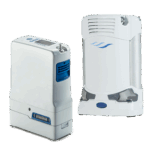
Instead of the Varon 5L Pulse Dose – Consider the Inogen Rove 4 or CAIRE FreeStyle Comfort
- Pulse-dose 1-4
- 87-93% oxygen purity on all flow settings
- FDA-approved
- FAA-approved for airline travel
- Weighs 2.9 pounds
CAIRE Comfort
- Pulse-dose 1-5
- 87-95.5% oxygen purity on all flow settings
- FDA-approved
- FAA-approved for airline travel
- Weighs 5 pounds
Call for Details
866-993-7616
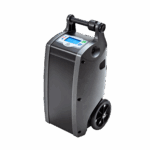
Instead of the Varon 1-6 Continuous Flow – Consider the O2 Concepts Oxlife Independence
- Pulse-dose 1-5 and continuous flow 1-3 LPM
- 87-93% oxygen purity on all flow settings
- FDA-approved
- FAA-approved for airline travel
- Weighs 16.7 pounds
Call for Details
866-993-7616
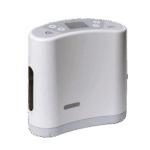
Instead of the DEDAKJ 3 Liter – Consider the O2 Concepts Oxlife Liberty 2
- Pulse dose and continuous flow up to 2 LPM
- 87-95% oxygen purity on all flow settings
- FDA-approved
- FAA-approved for airline travel
- Weighs 6.6 pounds
Call for Details
866-993-7616
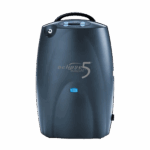
Instead of the DEDAKJ 7 Liter – Consider the CAIRE SeQual Eclipse 5
- Pulse-dose 1-9 and continuous-flow up to 3 LPM
- 87-95% oxygen purity on all flow settings
- FDA-approved
- FAA-approved for airline travel
- Weighs 15 pounds
Call for Details
866-993-7616
Here are our recommended Prescription Home Oxygen Concentrators, as an alternative to Non-Prescription Units.
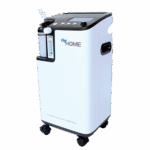
Instead of the Varon 1-7 or the DEDAKJ 1-7L – Consider the OxyHome 5L
- 0.5-5 lpm continuous flow
- 87-95% oxygen purity on all flow settings
- FDA-approved
Call for Details
866-993-7616
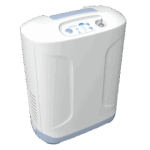
Instead of the Varon 5L Serene 5 – Consider the Inogen at Home 5L
- 1-5 lpm continuous flow
- 87-96% oxygen purity on all flow settings
- FDA-approved
Call for Details
866-993-7616
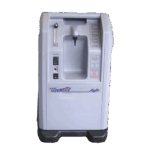
Instead of the Varon 1-8L VH-2 Pro or the DEDAKJ 1-8L or DEDAKJ 2-9L – Consider the CAIRE AirSep Newlife Intensity
- 2-10 lpm continuous flow
- 89-95% oxygen purity at 2-9 lpm; 87-93% oxygen purity at 10 lpmrity on all flow settings
- FDA-approved
Call for Details
866-993-7616
Potential Dangers of Non-Prescription Oxygen Concentrators
Below are some reasons why you should never purchase a non-Rx oxygen concentrator and recommendations on approved, reliable units to consider instead.
1. Non-Rx concentrators can delay diagnosis or worsen health problems:
Since supplemental oxygen is considered a drug, you should only use it with a prescription and with your healthcare provider’s supervision. Failing to work with your doctor means you’re not being monitored, which can also tell you’re not getting necessary adjustments to your oxygen therapy.
Getting more or less supplemental oxygen than your body needs can cause adverse health problems. Therefore, using a reliable prescription unit is essential for your health.
- Not enough oxygen: If you’re not getting enough oxygen, your tissues and organs aren’t getting enough, which can severely impact your health and become life-threatening.
- Too much oxygen: Too much supplemental oxygen can cause oxygen toxicity, which can damage your lungs, eyes, or central nervous system.
Supplemental oxygen is not safe without a prescription. Also, never adjust your prescribed oxygen flow setting without talking to your doctor.
2. Non-Rx concentrators may not deliver enough oxygen, even if they claim to:
Prescription oxygen concentrators are generally approved by the Food and Drug Administration (FDA) and undergo testing to ensure high-quality oxygen therapy. However, the FDA disapproves of non-Rx concentrators, so using one means you can’t be sure you’re getting your required amount.
One study in 2023 compared three over-the-counter (OTC) portable oxygen concentrators (POCs) and one FDA-approved POC. The FDA-approved unit produced the highest quality oxygen therapy. Of the three OTC units, only one was found to be “potentially of use to patients.”
Shop carefully when choosing an oxygen concentrator. It’s best to avoid non-Rx concentrators, even if the company’s website says they’re safe and effective; there isn’t a way for you to know. Some non-Rx companies claim their concentrators reach up to 96% oxygen purity. However, the fine print usually states that they also run as low as 30%. Always make sure a unit has been tested and is FDA-approved.
3. It’s usually illegal for companies to sell medical-grade oxygen concentrators without a prescription:
The FDA considers oxygen concentrators medical devices, which means companies can only sell them to patients with a valid prescription. Having a prescription ensures you use the unit effectively and safely.
Always purchase oxygen concentrators from a reliable company that complies with federal standards and laws; this is the best way to ensure you get safe, effective, and reliable oxygen therapy.
4. Non-Rx vs. Rx Oxygen Concentrators:
Keep these factors in mind while comparing oxygen concentrators.
- Avoid non-Rx websites that say “up to 90% oxygen purity.” Many of these concentrators have wide ranges of about 30-90%, which varies by flow settings.
- Even if the company claims its non-Rx concentrator has a higher oxygen purity, it isn’t possible to know if that’s true, unlike prescription concentrators, which are held to federal standards.
- Non-Rx concentrators are generally not FDA-approved; FDA approval ensures units are designed (and tested) to meet medical standards for oxygen delivery.
- Prescription oxygen concentrators are reliable and consistent with oxygen concentration and flow, and most average at or above 90% on all flow settings.
- Most non-Rx portable concentrators are not approved by the Federal Aviation Administration (FAA) and cannot be used on airplanes.
Final Recommendation
As tempting as it is to purchase a low-cost, non-Rx oxygen concentrator, it’s crucial to understand that it can negatively impact your health for multiple reasons. Using an FDA-approved unit ensures that each unit delivers a high enough oxygen concentration for safe and effective therapy and meets specific standards for safety and performance. Stick to reputable manufacturers that consistently meet these standards, like Inogen, CAIRE, or O2 Concepts.
The choice between these options depends on your lifestyle and oxygen needs. While stationary concentrators offer higher oxygen output at a lower cost, portable devices are travel-friendly and better suited for active lifestyles. Consult your healthcare provider to determine the best fit for your requirements.

Oxygen Concentrator Store
+ Industry Leading Accreditation: ACHC Accredited and an A+ Better Business Bureau Rating
+ Breathe Easy Guarantee: 100% Seven Day Return Policy and 100% Price Match Guarantee
+ Lifetime Technical Support: Service and support for the life of your unit
